
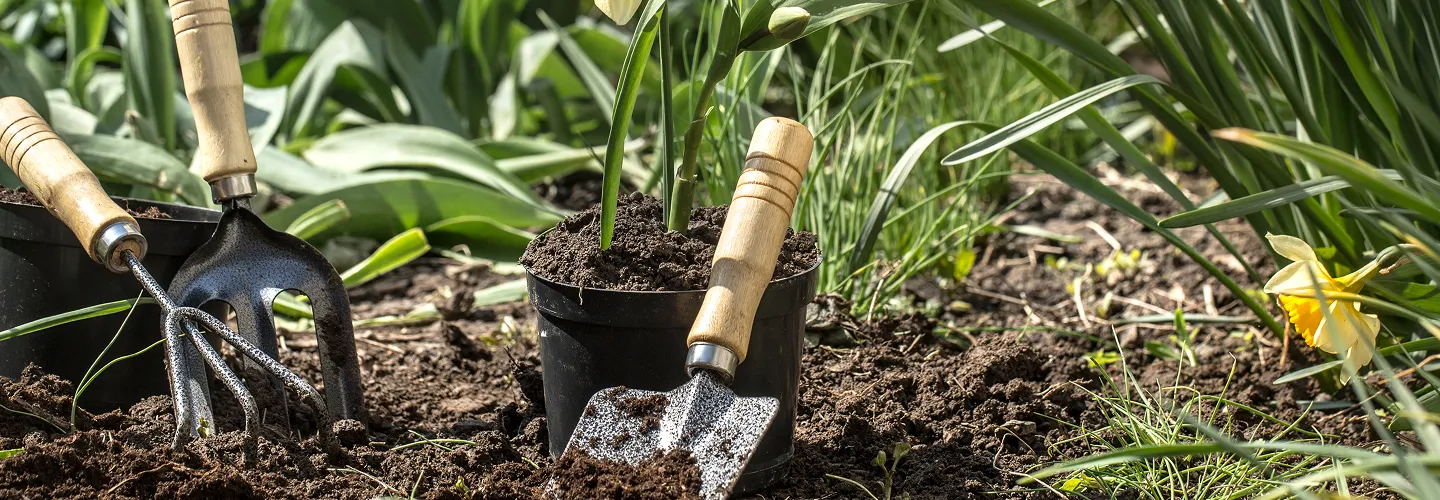
Wesley Chapel Plant Removal Services
Choose our plant removal services for safe, thorough, and eco-friendly solutions that restore your landscape’s beauty while saving you time and effort.
Get a Free QuoteOur Wesley Chapel Landscaping & Yard Care Services
When to Schedule Plant Removal in Wesley Chapel, Florida – Seasonal Guide
In Wesley Chapel, Florida, timing your plant removal project is crucial for both the health of your landscape and compliance with local guidelines. The region’s subtropical climate means that the best periods for plant removal are typically late winter through early spring, before the onset of heavy rains and high humidity. This window allows for easier root extraction and minimizes regrowth, especially in neighborhoods like Seven Oaks and Meadow Pointe, where dense shade and mature landscaping are common.
Local environmental factors such as the last frost date—usually in late January—should be considered to avoid damaging surrounding plants. Soil in areas near the Wesley Chapel District Park tends to be sandy and well-draining, which can affect removal techniques. Additionally, periods of drought or excessive rainfall, as tracked by local resources, may impact scheduling and equipment needs.
Local Factors to Consider for Plant Removal in Wesley Chapel
- Tree and shrub density in established neighborhoods
- Terrain variations, especially near wetlands or retention ponds
- Seasonal precipitation patterns and hurricane risk
- Municipal restrictions on debris disposal and protected species
- Soil type (sandy vs. clay) and drainage characteristics
- Shade coverage from mature oaks and pines
- Proximity to landmarks like The Shops at Wiregrass or Epperson Lagoon
Benefits of Plant Removal in Wesley Chapel
Expert Landscaping Services
Efficient Plant Removal
Eco-Friendly Disposal Methods
Improved Curb Appeal
Customized Solutions
Licensed and Insured Team
Wesley Chapel Plant Removal Types

Tree Removal
-
Shrub Removal
-
Stump Grinding
-
Invasive Species Removal
-
Root System Extraction
-
Overgrown Vegetation Clearing
-
Dead Plant Disposal
Our Plant Removal Process
Site Evaluation
Preparation and Safety Measures
Plant Extraction
Debris Removal
Site Restoration
Why Choose Wesley Chapel Landscape Services
-
Wesley Chapel Homeowners Trust Us
-
Expert Lawn Maintenance
-
Reliable Scheduling
-
Competitive Pricing
-
Professional Team
-
Satisfaction Guarantee
-
Personalized Service
Coordinating Plant Removal with Wesley Chapel’s Public Works and Drainage Systems
Plant removal in Wesley Chapel, FL, requires careful coordination with municipal services to ensure that vegetative debris is managed properly and does not impact local drainage infrastructure. The Pasco County Public Works Department oversees the maintenance of drainage systems, swales, and stormwater facilities, which are sensitive to plant debris and root disturbance. Residents and property managers should be aware that improper disposal of removed plant material can obstruct storm drains or swales, increasing flood risk during the wet season. To facilitate safe removal and disposal:
- Schedule plant removal outside of forecasted heavy rain periods to minimize runoff and debris movement
- Bundle or containerize vegetative debris according to county guidelines for curbside collection
- Avoid placing roots, soil, or plant waste directly in swales, ditches, or near stormwater inlets
Pasco County Public Works Department
Wesley Chapel, FL
Official Website: Pasco County Public Works Department
How Wesley Chapel’s Central Florida Conditions Shape Plant Removal Practices
Wesley Chapel is situated in the Central Florida / Inland Peninsula region, characterized by a humid subtropical climate, pronounced wet and dry seasons, and predominantly sandy or fill-based urban soils. These local conditions influence plant removal in several ways:
- Sandy soils drain quickly but are prone to erosion and nutrient leaching when disturbed, especially after root removal
- The high water table in some neighborhoods increases the risk of soil instability and runoff during the summer wet season
- Intense summer rainfall can rapidly transport loose soil and plant debris into storm drains, ponds, or canals, affecting water quality
Professionals must stabilize exposed soil after plant removal, often using mulch or groundcover, to prevent erosion and protect adjacent drainage features. The USDA Web Soil Survey provides detailed local soil information, while the National Weather Service offers rainfall forecasts critical for scheduling removal activities.
Regulatory Requirements and Environmental Compliance for Plant Removal in Wesley Chapel
Plant removal activities in Wesley Chapel are subject to both municipal and state-level regulations designed to protect property, infrastructure, and water quality. Key compliance considerations include:
- Vegetative debris must not be disposed of in storm drains, swales, or water bodies, in accordance with the Florida DEP NPDES Stormwater Program
- Removal of invasive or nuisance species may require additional review if adjacent to protected wetlands or drainage features
- Use of herbicides or chemical treatments for plant removal must comply with FDACS Pesticide Applicator Licensing
Local code enforcement may issue citations for improper disposal or disturbance of right-of-way areas. For questions about code compliance or enforcement:
Pasco County Code Compliance
Wesley Chapel, FL
Official Website: Pasco County Code Compliance
Professional Methods, Timing, and Standards for Plant Removal in Wesley Chapel
Effective plant removal in Wesley Chapel requires attention to timing, technique, and site stabilization to minimize environmental impact. Professional standards include:
- Scheduling removal during the dry season (typically late fall through spring) to reduce erosion and runoff risk
- Using manual or mechanical extraction methods that minimize soil disturbance, especially in sandy or fill-based soils
- Immediately stabilizing exposed areas with mulch, erosion blankets, or approved groundcovers to prevent sediment movement
- Ensuring all debris is collected and routed to approved disposal or composting facilities, not left on site
The EPA Stormwater Discharges from Municipal Sources provides additional guidance on preventing sediment and debris from entering stormwater systems. For projects near engineered drainage or utility corridors, coordination with the county’s engineering services may be necessary:
Pasco County Engineering Services
Wesley Chapel, FL
Official Website: Pasco County Engineering Services
What Neighborhoods Do We Serve Throughout Wesley Chapel, FL?
- Seven Oaks This master-planned community features extensive stormwater ponds and swales, requiring careful debris management during plant removal.
- Meadow Pointe Known for its large subdivisions and HOA-managed landscapes, Meadow Pointe often involves irrigation-intensive lots and mature plantings.
- Saddlebrook With golf course frontage and wooded areas, plant removal here must account for drainage patterns and preserve adjacency.
- Estancia at Wiregrass Newer fill-based lots and engineered drainage systems in Estancia require stabilization after root-zone disturbance.
- Northwood This area’s established tree canopy and proximity to retention ponds make runoff and debris control especially important.
- Lexington Oaks Golf course and pond adjacency in Lexington Oaks means plant removal must avoid impacting water quality and drainage features.
- Bridgewater Bridgewater’s mix of older and newer homes, along with varying lot sizes, presents diverse plant removal and access considerations.